
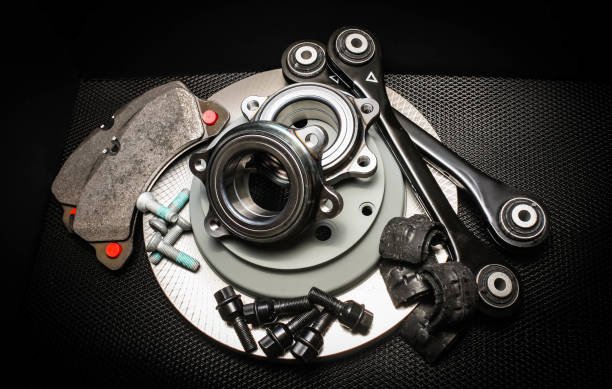
Introduction:
Maintaining your vehicle’s wheel hubs and bearings is crucial for safety and performance. A bearing buddy and hub kit is an essential tool that ensures your vehicle’s bearings remain lubricated, protected, and functioning optimally. Whether you are a mechanic, DIY enthusiast, or fleet operator, understanding these kits, their components, installation process, and maintenance benefits is key to extending your vehicle’s lifespan.
In this comprehensive guide, we’ll explore everything you need to know about bearing buddies and hub kits, their advantages, how to install and maintain them, and tips to maximise their performance.
What is a Bearing Buddy and Hub Kit?
A bearing buddy and hub kit is a combination of components designed to maintain proper lubrication in wheel bearings. Wheel bearings allow wheels to rotate smoothly and handle weight efficiently. Without proper lubrication, bearings can overheat, wear out quickly, or fail, leading to unsafe driving conditions and costly repairs.
The bearing buddy is typically a small device that holds grease and automatically feeds it into the wheel bearings. The hub kit contains the necessary components to assemble, seal, and protect the hub and bearing system. Together, they help prevent dirt, water, and debris from entering the bearing assembly while ensuring consistent lubrication.
Why Bearing Buddy and Hub Kits Are Important
Proper maintenance of wheel bearings is vital for vehicle safety, performance, and longevity. Using a bearing buddy and hub kit offers several benefits:
Extended Bearing Life: Constant lubrication reduces friction and wear.
Prevention of Overheating: Proper grease circulation prevents bearings from overheating during heavy loads or long drives.
Protection from Contaminants: Seals and caps prevent dirt, water, and debris from entering the hub assembly.
Improved Safety: Well-lubricated and protected bearings reduce the risk of accidents caused by wheel failure.
Cost-Effective Maintenance: Reduces the frequency of bearing replacement and costly repairs.
Components of a Bearing Buddy and Hub Kit
Understanding the components of the kit is essential for proper installation and maintenance:
1. Bearing Buddy Cap
The cap fits over the hub and serves as a reservoir for grease. It automatically pushes lubrication into the bearing during operation.
2. Grease Fitting
Also known as a zerk fitting, it allows mechanics or vehicle owners to inject grease into the bearing buddy easily.
3. Hub Assembly
The hub assembly contains the wheel bearings and provides the mounting point for the wheel. It must be sealed correctly to prevent contamination.
4. Seals and Washers
Seals prevent water and dirt ingress, while washers ensure proper spacing and secure assembly.
5. Mounting Hardware
Bolts, nuts, and other hardware included in the kit ensure secure installation and proper alignment of the hub and bearing system.
How to Install a Bearing Buddy and Hub Kit
Installing a bearing buddy and hub kit can be done with basic mechanical knowledge and tools. Here’s a step-by-step overview:
1. Gather Required Tools
You will need:
Wrenches and sockets
Grease gun
Torque wrench
Screwdrivers and pliers
2. Remove the Wheel
Ensure the vehicle is on a level surface and properly supported. Remove the wheel to access the hub assembly.
3. Remove the Old Hub Components
Carefully remove any existing hub, bearings, seals, or caps. Inspect the components for wear or damage.
4. Clean the Hub Area
Remove dirt, debris, and old grease from the hub and surrounding areas to ensure proper installation.
5. Assemble the New Hub Kit
Place the new bearings, seals, washers, and hub components in their respective positions. Follow manufacturer instructions for correct placement and torque specifications.
6. Install the Bearing Buddy
Attach the bearing buddy cap over the hub and fill it with grease. Ensure the grease fitting is accessible for future maintenance.
7. Reinstall the Wheel
Secure the wheel back onto the hub and torque the lug nuts to the manufacturer’s specifications.
8. Test for Proper Function
Spin the wheel to ensure smooth rotation and check for leaks or misalignment.
Maintenance Tips for Bearing Buddy and Hub Kits
Proper maintenance extends the life of your bearings and ensures optimal performance:
Regular Greasing: Check and refill the bearing buddy cap periodically to maintain proper lubrication.
Inspect Seals: Look for cracks or damage in seals to prevent contamination.
Monitor Bearing Temperature: Overheating may indicate insufficient grease or excessive wear.
Clean Hub Area: Keep the surrounding area free from dirt and debris.
Replace Worn Components: Replace any worn or damaged parts promptly to avoid further damage.
Common Applications
Bearing buddy and hub kits are widely used in:
Trailers and RVs: Heavy-duty kits ensure safe towing and extended bearing life.
Trucks and Utility Vehicles: Frequent usage under heavy loads benefits from consistent lubrication.
Off-Road Vehicles: Protects bearings from dirt, mud, and water in rugged environments.
Boats and Marine Trailers: Sealed kits prevent water contamination in bearings.
Conclusion
A bearing buddy and hub kit is an essential investment for anyone looking to maintain their vehicle’s wheel bearings efficiently. By ensuring constant lubrication, preventing contamination, and extending bearing life, these kits improve safety, performance, and cost-effectiveness.
Proper installation, regular maintenance, and timely inspection of components are key to getting the most out of your kit. Whether for personal vehicles, trailers, or commercial use, understanding and using a bearing buddy and hub kit properly is crucial for reliable and safe operation.
FAQs
1. What is a bearing buddy and hub kit used for?
It is used to maintain wheel bearings by providing consistent lubrication and protecting them from dirt, water, and debris.
2. How often should I grease a bearing buddy?
Check and refill the grease every 3-6 months or according to the vehicle’s usage and manufacturer recommendations.
3. Can I install a bearing buddy kit myself?
Yes, with basic mechanical knowledge, proper tools, and following the manufacturer’s instructions, it can be installed safely.
4. What happens if a bearing buddy is not maintained?
Neglecting maintenance can lead to bearing overheating, excessive wear, and potential wheel failure, increasing repair costs and safety risks.
5. Are bearing buddy and hub kits suitable for all vehicles?
They are primarily designed for trailers, trucks, RVs, and off-road vehicles. It’s important to select a kit compatible with your specific hub and bearing specifications.