
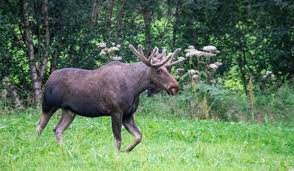
If you’ve ever driven through the winding roads of rural Norway or lived near the edge of a lush forest, you’ve likely seen the signs warning of moose or deer crossings. While these majestic animals are a symbol of Norwegian nature, managing the delicate balance between wildlife populations and human activity is a massive undertaking. This is where the Viltnemnda comes into play.
Often operating behind the scenes, the Viltnemnda (the Wildlife Board) serves as a critical local authority responsible for the practical management of wild animals. Whether it is handling a traffic-injured deer at 2:00 AM or deciding on local hunting quotas, these boards are the boots-on-the-ground experts ensuring that both the ecosystem and the community remain safe and sustainable.
In this guide, we will dive deep into the world of the Viltnemnda, exploring their legal mandates, their role in local governance, and why their work is more relevant today than ever before.
What is a Viltnemnda?
In simple terms, a Viltnemnda is a municipal body or a delegated group of experts responsible for wildlife management within a specific Norwegian municipality (kommune). Their existence is rooted in the Norwegian Wildlife Act (Viltloven), which dictates that the state owns wildlife, but the management is largely decentralized to the local level.
While the name “Viltnemnda” is the traditional term, many municipalities have recently integrated these duties into broader “Technical Committees” or “Environment Boards.” However, the specialized function—and the emergency response team associated with it—is still universally referred to as the Viltnemnda or the Fallviltgruppe.
The Core Mandate
The primary goal of the Viltnemnda is to manage wildlife in a way that preserves biodiversity while minimizing damage to agriculture, forestry, and public safety. They act as the bridge between national environmental policies and the local reality of living alongside large mammals like moose, red deer, and roe deer.
The Primary Responsibilities of the Viltnemnda
The work of a Viltnemnda is diverse, ranging from administrative planning to high-stakes field operations. Their duties can be broadly categorized into three main pillars: population management, emergency response, and conflict resolution.
1. Management of Hunting Quotas
One of the most visible roles of the Viltnemnda is overseeing the local hunt. Norway has a long-standing tradition of hunting, which is used as a tool for population control.
-
Setting Goals: They help determine how many animals of a certain species should be culled to prevent overpopulation.
-
Granting Permits: They review applications from landowners and hunting clubs to ensure that hunting happens within legal and ethical boundaries.
-
Monitoring Health: By collecting data from harvested animals, the board tracks the health, age distribution, and weight of the local wildlife population.
2. Handling “Fallvilt” (Wildlife Emergencies)
This is perhaps the most demanding part of the job. Fallvilt refers to animals that are killed or injured by something other than legal hunting—most commonly vehicle or train collisions.
-
24/7 Readiness: Members of the Viltnemnda response team (often called the Ettersøksring) are on call at all hours.
-
Animal Welfare: If an animal is injured in a collision, it is the board’s duty to track it down using trained dogs and humanely euthanize it to prevent further suffering.
-
Public Safety: Removing carcasses from roads and railways is essential to prevent secondary accidents.
3. Mitigating Human-Wildlife Conflicts
As human infrastructure expands, encounters with wildlife become more frequent. The Viltnemnda steps in when wildlife begins to cause significant problems for residents or businesses.
-
Crop Damage: If a large herd of deer is destroying a farmer’s livelihood, the board can grant extraordinary permits for “damage culling.”
-
Urban Wildlife: When a moose wanders into a city center or a schoolyard, the Viltnemnda coordinates with the police to safely relocate or remove the animal.
How the Viltnemnda Interacts with the Public
For the average citizen, contact with the Viltnemnda usually happens during an emergency. Understanding how to interact with them can save lives—both human and animal.
Reporting a Collision
If you hit a wild animal with your car in Norway, you are legally obligated to report it. You won’t be fined for the accident itself, but you can be prosecuted for failing to report it.
-
Secure the Scene: Put on your high-visibility vest and place a warning triangle.
-
Call the Police: Dial 02800 (or 112 in emergencies). The police will then dispatch the local Viltnemnda.
-
Mark the Spot: Use a “viltbånd” (wildlife ribbon) or any visible marker to show where the animal disappeared into the woods. This is crucial for the Viltnemnda tracking dogs.
Advice for Landowners
Landowners often work closely with the Viltnemnda to manage their property. Whether you are dealing with aggressive geese or a surplus of roe deer, the board provides the legal framework for how to handle these situations without violating environmental laws.
The Legal Framework: The Wildlife Act (Viltloven)
The authority of the Viltnemnda isn’t arbitrary; it is strictly governed by the Wildlife Act of 1981. This law establishes several key principles that the board must follow:
-
The Principle of Protection: All wild mammals, birds, reptiles, and amphibians are protected unless the law specifically allows for hunting or removal.
-
Humanitarian Requirements: Any culling or euthanasia performed by the Viltnemnda must be done in a way that avoids unnecessary suffering.
-
Local Democracy: By placing power in a local board, the law ensures that those who actually live with the wildlife have a say in how it is managed.
In recent years, the Viltnemnda has also had to navigate the Nature Diversity Act, which places even greater emphasis on preserving the genetic health of species and protecting entire ecosystems rather than just individual animals.
Challenges Facing Modern Viltnemnda Operations
Being a member of a Viltnemnda is more complex today than it was thirty years ago. Several modern factors are changing the way wildlife is managed in Norway.
1. Climate Change and Migration Patterns
Warmer winters are changing where animals move and how they feed. Some species are moving further north, while others are staying in high-altitude areas longer than usual. The Viltnemnda must constantly update their management plans to reflect these shifting biological realities.
2. Chronic Wasting Disease (CWD)
The emergence of CWD in Norway has put the Viltnemnda on high alert. This contagious, neurological disease affecting deer species requires strict monitoring. Boards in affected areas are responsible for coordinating massive testing efforts and, in some cases, the total removal of specific herds to prevent the disease from spreading.
3. Increased Traffic Volume
As more cars hit the road, the frequency of wildlife collisions increases. This puts an immense physical and emotional strain on the Viltnemnda volunteers who must respond to these grizzly scenes in the middle of the night.
The Role of Technology in Wildlife Management
To keep up with these challenges, many Viltnemnda groups are turning to technology. This isn’t just about traditional hunting anymore; it’s about data-driven conservation.
-
GPS Tracking: Collaring animals allows the board to see exactly where “hotspots” for road crossings are, leading to better placement of fences and wildlife underpasses.
-
Drone Surveys: Using thermal cameras on drones helps the Viltnemnda count populations more accurately than traditional ground-based counting.
-
Digital Reporting: Apps now allow hunters and the public to report sightings and kills instantly, providing the Viltnemnda with real-time data on the health of local wildlife.
Why the Viltnemnda is Essential for Biodiversity
Without the Viltnemnda, wildlife management in Norway would likely become a chaotic mix of unregulated hunting and unaddressed animal suffering. Their work ensures a sustainable harvest, meaning we only take from nature what it can afford to lose.
By managing the balance of predators and prey, and by ensuring that injured animals are dealt with humanely, the Viltnemnda upholds the high ethical standards that Norway is known for in environmental circles. They are the frontline defenders of the “right to roam” (Allemannsretten), ensuring that nature remains a safe place for everyone to enjoy.
Conclusion: A Vital Link in the Chain
The Viltnemnda represents the perfect intersection of local knowledge and national conservation goals. From the administrative halls of the municipality to the deep, snowy trenches of a tracking mission, these individuals perform a service that is vital to the Norwegian way of life.
By understanding their role, we can better appreciate the complexity of the nature that surrounds us. The next time you see a moose in the distance, remember that there is a dedicated team of experts—the Viltnemnda—working day and night to ensure that both you and that animal can coexist safely.
Would you like me to help you draft a specific letter to your local Viltnemnda regarding a wildlife concern on your property?
Frequently Asked Questions (FAQs)
1. Who can become a member of the Viltnemnda?
Typically, members are appointed by the municipal council. They are often individuals with extensive experience in hunting, forestry, or biology. While it is a political appointment in some areas, the technical “emergency” teams consist of highly trained woodsmen and dog handlers.
2. Does the Viltnemnda get paid for their work?
Most board members receive a small meeting allowance from the municipality. Those on the emergency response team (Fallviltgruppa) are usually compensated per mission, especially for vehicle-wildlife collisions, but for many, it is a service driven by a passion for animal welfare.
3. Can the Viltnemnda help if a badger or fox is under my house?
Generally, the Viltnemnda focuses on “big game” (moose, deer, etc.) and protected species. For smaller pests like foxes or badgers, they may offer advice, but the responsibility often lies with the homeowner to contact a private pest control service, provided they follow local wildlife regulations.
4. What happens to the meat from animals the Viltnemnda euthanizes?
If the meat is fit for human consumption (i.e., the animal wasn’t diseased or too badly injured), it is often sold to benefit the municipality’s wildlife fund or donated. If the animal was on medication or diseased, it is sent to a rendering plant.
5. Why can’t the Viltnemnda just relocate “problem” animals instead of killing them?
Relocation is extremely stressful for wild animals and often results in the animal trying to return to its original territory or dying from the stress of a new environment. In many cases, the Viltnemnda determines that a quick, humane cull is more ethical than a traumatic relocation process.