
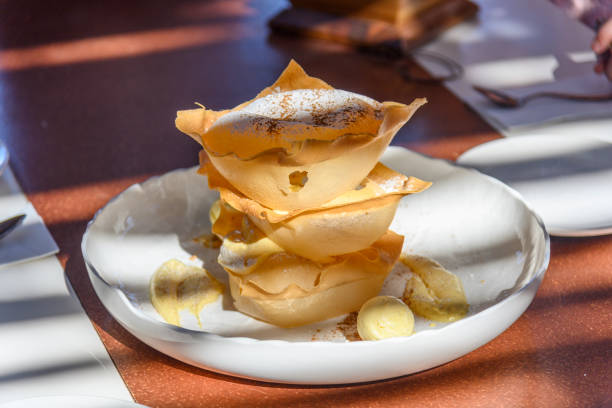
Introduction:
Greek desserts have captured hearts worldwide for their blend of rich flavor, simplicity, and heritage. They are more than just sweets; they are a delicious part of Greek culture, crafted from wholesome ingredients like honey, nuts, and olive oil. In this article, you’ll discover the most popular Greek desserts, their cultural meaning, and how to enjoy them at home with simple tips and creative ideas.
Why Greek Desserts Are So Special
Greek desserts stand out because they perfectly balance sweetness and flavor. Each recipe represents centuries of culinary tradition, passed down through generations. Unlike typical sugary treats, Greek desserts are made with natural ingredients that give them a deep, earthy sweetness. Honey, nuts, and aromatic spices like cinnamon and clove bring warmth to every bite.
Greek sweets also symbolize hospitality. In Greece, serving dessert to a guest is a gesture of kindness and celebration, not just an after-meal ritual. Every region adds its own twist, making Greek desserts incredibly diverse.
Famous Greek Desserts Everyone Loves
If you are new to Greek desserts, here are some popular treats that represent the country’s love for sweets:
- Baklava: Layers of crisp phyllo pastry filled with nuts and sweetened with honey syrup.
- Loukoumades: Golden, bite-sized dough balls drizzled with honey and sprinkled with cinnamon.
- Galaktoboureko: A creamy custard encased in flaky phyllo, soaked in syrup for extra sweetness.
- Kourabiedes: Buttery almond cookies dusted generously with powdered sugar, often made during holidays.
- Melomakarona: Honey-soaked cookies flavored with orange zest and sprinkled with chopped walnuts.
Each dessert offers a unique texture and taste, showcasing how Greek cuisine transforms simple ingredients into unforgettable sweets.
Ingredients That Define Greek Sweets
What makes Greek desserts distinct is the use of high-quality, natural ingredients. Here are some key components that define them:
- Honey: The main sweetener that gives depth and aroma.
- Olive Oil: A healthier alternative to butter, adding richness to the dough.
- Nuts: Walnuts, pistachios, and almonds are commonly used for texture and flavor.
- Phyllo Dough: Thin layers of pastry used in classics like Baklava and Galaktoboureko.
- Citrus Zest: Adds freshness and brightness to rich desserts.
These ingredients not only make the desserts flavorful but also reflect the Mediterranean lifestyle, which values freshness and balance.
Easy Ways To Make Greek Desserts At Home
You don’t have to travel to Greece to enjoy its sweet delights. Making Greek desserts at home is easier than you think.
Here are some quick tips:
- Start with simple recipes like Melomakarona or Kourabiedes if you are a beginner.
- Use high-quality honey and fresh nuts for an authentic taste.
- If you are making Baklava, brush each phyllo layer with melted butter or olive oil for crispness.
- Serve Greek desserts with Greek coffee or herbal tea for the perfect pairing.
Making these sweets at home gives you a true taste of Greek culture and a fun way to enjoy baking.
Modern Twists To Traditional Desserts
While Greek desserts have ancient roots, many bakers are giving them modern upgrades. For example:
- Make a Baklava cheesecake using layers of phyllo and honey cream.
- Try vegan Loukoumades with maple syrup instead of honey.
- Serve Galaktoboureko parfaits with yogurt and nuts for a lighter dessert.
- Add a scoop of vanilla ice cream to warm Baklava for a delightful contrast.
These modern touches allow you to enjoy Greek flavors in new and exciting ways while keeping the essence of tradition alive.
Healthier Ways To Enjoy Greek Sweets
Greek desserts can be enjoyed guilt-free with mindful choices. You can reduce sugar without losing flavor by using honey or fruit syrup. Opt for olive oil instead of butter and bake instead of deep-frying.
Tips for healthier indulgence:
- Use whole wheat phyllo or almond flour where possible.
- Add dried fruits like figs or dates for natural sweetness.
- Keep portion sizes small since these treats are rich and satisfying.
Balanced indulgence ensures you enjoy authentic flavors while maintaining a healthy diet.
Cultural Importance Of Greek Desserts
Desserts play an essential role in Greek celebrations and daily life. They are a symbol of love, unity, and hospitality. Whether it’s Easter, Christmas, or a family gathering, dessert always takes center stage. Offering sweets to visitors reflects generosity, one of Greece’s most cherished values.
When you make or serve Greek , you share a piece of that warm, inviting culture with others.
Conclusion: Experience Sweet Greek Bliss
Greek desserts are more than just confections; they are a sweet reflection of Greece’s rich traditions and flavors. Whether you savor classic Baklava or try modern variations, these desserts deliver comfort, nostalgia, and delight in every bite. Bring the charm of Greek sweetness into your home and let every dessert tell a story of heritage and happiness.
Quick Answers For Dessert Lovers
Q1: What makes Greek desserts unique?
They are made with honey, nuts, and natural ingredients that create a rich and aromatic flavor.
Q2: Are Greek desserts hard to make?
No, many recipes like Melomakarona and Kourabiedes are simple and beginner-friendly.
Q3: Can I make desserts without phyllo?
Yes, several options like honey cookies or semolina cakes don’t need phyllo dough.
Q4: What drinks pair best with Greek ?
Strong Greek coffee, herbal tea, or dessert wine complement them perfectly.
Q5: Are there gluten-free options?
Yes, you can use almond flour or gluten-free phyllo for many recipes.