
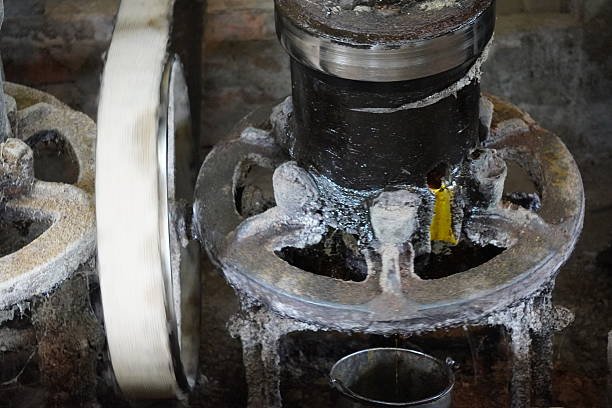
A hub seal is a critical component in vehicles, designed to prevent dirt, dust, and contaminants from entering wheel hubs and to retain lubricants within the axle or bearing assembly. Properly functioning hub seals ensure smooth rotation, reduce wear on bearings, and extend the life of wheel components.
Whether you are a professional mechanic, automotive enthusiast, or vehicle owner, understanding hub seals—their types, functions, and maintenance—is vital for preventing costly repairs and ensuring safe, efficient vehicle operation.
What Is a Hub Seal?
A hub seal is a circular gasket or ring made from rubber, silicone, or other durable materials, positioned around the wheel hub assembly. Its primary purpose is to:
Retain grease or lubricant inside the hub
Prevent dirt, water, and debris from entering the bearing assembly
Reduce friction and wear between moving parts
By providing a tight seal, hub seals help maintain optimal performance of the wheel hub and axle, reducing the risk of mechanical failure.
Importance of Hub Seals in Vehicles
Hub seals are essential for several reasons:
Prevent Bearing Damage
A hub seal keeps lubricants in and contaminants out, protecting wheel bearings from wear, overheating, and premature failure.
Reduce Maintenance Costs
Properly maintained hub seals reduce the frequency of bearing replacement and prevent extensive damage to hub assemblies.
Improve Vehicle Safety
Hub seals contribute to smooth wheel rotation, which is critical for braking, handling, and overall driving safety.
Types of Hub Seals
Hub seals vary depending on vehicle type, application, and design. Common types include:
Lip Seals
Lip seals feature a flexible lip that maintains contact with the rotating hub. These seals are designed to prevent lubricant from leaking out while keeping contaminants such as dirt and water from entering the bearing assembly. Their flexibility allows them to adjust to minor imperfections in the hub surface, making them highly effective for standard automotive applications.
O-Ring Seals
O-ring hub seals are circular rings that fit tightly within the hub. They offer a simple yet reliable barrier against contaminants and are commonly used in applications where moderate sealing performance is sufficient. Their design allows for easy installation and replacement, making them popular in light vehicles and machinery.
Multi-Lip Seals
Multi-lip seals have multiple sealing lips for enhanced protection against dirt and moisture. These seals are especially useful in heavy-duty trucks and industrial vehicles, where hubs are exposed to harsh conditions. The additional lips provide extra layers of protection, reducing the risk of lubricant loss and bearing contamination.
Hub and Axle Seals
These seals are integrated into the hub assembly to prevent lubricant leakage and protect axle ends from debris. Hub and axle seals are often found in vehicles with complex hub assemblies, where maintaining lubrication is critical for performance and safety. They help ensure smooth wheel rotation and reduce maintenance needs.
How Hub Seals Work
Hub seals function through a combination of material flexibility, precision fit, and constant contact with the rotating hub.
Lubricant Retention
The seal traps grease inside the bearing housing, ensuring continuous lubrication and reducing friction between moving parts.
Contaminant Exclusion
By forming a tight barrier, the hub seal prevents water, dust, and road debris from entering the hub, which could damage bearings or cause corrosion.
Heat and Pressure Resistance
Hub seals are engineered to withstand high temperatures and pressures generated during wheel rotation, braking, and load-bearing operations.
How to Maintain Hub Seals
Proper maintenance of hub seals is essential to prevent leaks and ensure smooth operation:
Regular inspection of seals for cracks, tears, or leaks
Clean surrounding area to remove dirt and debris
Check and replace contaminated grease inside the hub
Replace damaged or worn seals promptly
Ensure correct alignment during installation
Benefits of Using Quality Hub Seals
Using high-quality hub seals provides multiple advantages:
Enhanced durability: Superior materials resist wear, heat, and chemical exposure
Reduced friction: Maintains smooth rotation of bearings and wheel assemblies
Leak prevention: Prevents lubricant loss, keeping bearings adequately lubricated
Protection against contaminants: Keeps out water, dirt, and road debris
Lower maintenance costs: Extends the life of bearings and hub assemblies, reducing repair costs
Common Issues with Hub Seals
Even high-quality hub seals can face issues over time. Understanding these problems can help with timely maintenance.
Leakage
Damaged or worn hub seals can allow grease to escape and contaminants to enter the bearing assembly. This can lead to increased friction, overheating, and premature bearing failure if not addressed promptly. Regular inspection is crucial to catch leaks early.
Wear and Tear
Continuous friction between the seal and hub can cause gradual wear. Over time, this wear reduces the effectiveness of the seal, allowing dirt or water to bypass it and potentially damage the hub or bearings. Proper lubrication and high-quality materials help minimize wear.
Improper Installation
Incorrectly installed seals may misalign or deform. Even minor misalignment can lead to leaks, increased friction, or early seal failure, emphasizing the importance of proper installation techniques. Always follow manufacturer guidelines during replacement.
Material Degradation
Exposure to heat, oil, or harsh chemicals can degrade rubber or silicone seals. Degraded seals lose elasticity and may crack or tear, compromising their ability to protect the hub and bearings. Regular inspection and using compatible materials are essential.
Contamination
Road debris, water, and dirt can bypass worn or damaged seals. This contamination can lead to corrosion, bearing damage, and reduced hub performance. Preventive maintenance and timely seal replacement are the best ways to avoid contamination-related failures.
Best Practices for Hub Seal Installation
Use manufacturer-recommended seals for your vehicle type
Apply grease to the seal lip before installation to reduce friction
Ensure the seal is seated evenly and aligned correctly
Avoid hammering or using excessive force during installation
Inspect surrounding components such as bearings and hub assembly before replacing the seal
Applications of Hub Seals
Hub seals are widely used across various vehicles and machinery:
Passenger cars: Protect wheel bearings and maintain smooth driving
Trucks and commercial vehicles: Handle heavy loads and prevent lubricant leaks
Trailers: Ensure proper wheel rotation and safety during transport
Industrial machinery: Maintain lubrication and prevent debris entry in rotating equipment
Agricultural equipment: Protect bearings exposed to dust, dirt, and moisture in harsh environments
Conclusion
Hub seals are small but critical components that protect wheel bearings and hub assemblies from damage caused by contaminants and lubricant loss. Proper selection, maintenance, and timely replacement of hub seals ensure smooth vehicle operation, reduce maintenance costs, and enhance safety. Investing in high-quality hub seals and following best practices for installation and maintenance can significantly prolong the life of your vehicle’s wheel components.
Frequently Asked Questions
1. What is a hub seal?
A hub seal is a gasket or ring that prevents dirt, water, and contaminants from entering the wheel hub while retaining lubricant for smooth operation.
2. How often should hub seals be replaced?
Hub seals should be inspected regularly and replaced whenever signs of wear, leakage, or damage are detected.
3. Can hub seals fail while driving?
Yes, damaged or worn hub seals can cause grease leakage, bearing failure, and unusual noises during driving.
4. Are all hub seals the same?
No, hub seals vary by vehicle type, bearing design, and application. Always choose the seal recommended by the manufacturer for optimal performance.
5. How can I maintain hub seals?
Regular inspections, proper lubrication, cleaning surrounding areas, and timely replacement of worn seals are key to hub seal maintenance.