
Introduction
Haircuts can be more than just grooming—they can reflect personality and style. The low taper fade is a perfect example, balancing subtlety and sharpness to create a polished look.
This haircut works for almost any hair type and face shape. Its versatility lets you experiment with top styles while maintaining clean, professional sides.
What Exactly Is a Low Taper Fade?
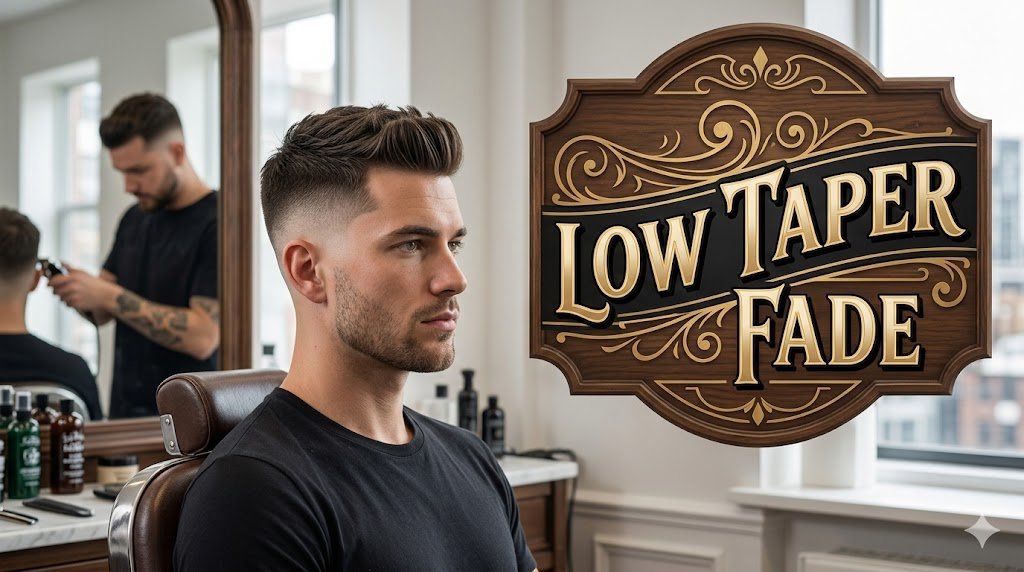
A low taper fade gradually shortens hair around the ears and neckline while keeping the top longer. The fade begins just above the ear, blending seamlessly into the hair below.
Unlike high or mid fades, this cut is understated yet stylish. It’s a classic choice for anyone who wants a professional but modern appearance.
Why People Choose a Low Taper Fade
The low taper fade is subtle, practical, and timeless. Its understated look is suitable for offices, casual outings, or formal events.
It enhances facial features naturally, framing the face while keeping the sides neat. It’s also low-maintenance, making it a favourite among busy professionals.
Low Taper Fade for Different Hair Types
Straight, wavy, or curly hair changes how the fade appears. Straight hair gives a sharp gradient, while wavy hair adds texture to the transition.
Curly or afro-textured hair can create a voluminous top with clean, tapered sides. Skilled barbers tailor the cut to highlight natural hair patterns.
Table: Popular Low Taper Fade Variations
| Style | Description | Best For |
|---|---|---|
| Classic Low Taper Fade | Gentle fade around ears and neckline | Straight or wavy hair |
| Curly Low Taper Fade | Fade with natural curl on top | Curly hair |
| Low Skin Fade | Very short at the bottom with visible skin | Bold and modern look |
| Low Burst Fade | Rounded taper around ears | Thick or afro-textured hair |
| Comb Over Low Fade | Longer top styled to one side | Professional/formal style |
| Low Taper with Line | Fade paired with a shaved design line | Trendy and stylish appearance |
These variations demonstrate the haircut’s flexibility. You can go classic or add a bold twist depending on your style.
Benefits of a Low Taper Fade
A low taper fade is more than looks. It keeps hair manageable, frames the face, and can last weeks with minimal upkeep. Key benefits include:
- Minimal daily styling required.
- Works with all hair textures.
- Frames facial features naturally.
- Allows versatile top hairstyles.
Regular trims keep the fade crisp and clean while making the cut low-maintenance and practical.
How to Maintain a Low Taper Fade
Maintenance is crucial for a polished fade. Simple habits can keep it looking sharp without much effort. Tips include:
- Use pomade or gel for styling the top.
- Trim edges with a home trimmer if needed.
- Moisturise hair and scalp to prevent dryness.
- Avoid over-washing to maintain natural texture.
These small practices ensure your fade always looks intentional and clean.
Styling Ideas for Low Taper Fade
The top hair can vary widely while the fade stays neat. You can go messy, sleek, or textured depending on your mood.
Comb-overs, textured crops, or spikes complement the fade perfectly. Adding subtle shaved lines or designs can give a modern twist to a classic cut.
Celebrity Low Taper Fade Inspiration
Many athletes, actors, and influencers sport low taper fades. Their popularity shows the haircut’s timeless appeal.
Celebrities often pair the fade with volume or textured tops, showing how flexible the cut can be. Seeing these styles can help inspire your next barber visit.
Low Taper Fade Variations Explained
Curly Top Low Fade
Adds natural bounce and height to curly hair while keeping sides neat. Perfect for casual or semi-formal looks.
Textured Crop Low Fade
Short, choppy hair on top with smooth tapered sides. Works for straight and wavy hair textures, offering a modern feel.
Low Skin Fade with Design
Exposes skin slightly at the bottom for a bold, contemporary look. Often paired with geometric or creative shaved patterns.
Classic Comb Over Low Fade
Longer top combed neatly to one side. Ideal for office or professional environments while still stylish.
Frequently Asked Questions
What is the difference between a low taper fade and a low skin fade?
A low taper fade gradually shortens hair while leaving some length, whereas a low skin fade exposes the skin at the bottom.
How often should I get a low taper fade trimmed?
Every 3–4 weeks to maintain sharp lines and clean edges.
Can all hair types get a low taper fade?
Yes. Straight, wavy, curly, or afro-textured hair can all rock this style with proper barber technique.
Is the low taper fade professional?
Absolutely. Its subtlety and clean sides make it office-appropriate while stylish.
Can I style the top differently with a low taper fade?
Yes. Spikes, comb-overs, textured crops, and curly tops all work beautifully.
Conclusion
The low taper fade is a versatile, stylish haircut that combines precision with personality. Its subtle sides and flexible top make it suitable for nearly everyone. With proper maintenance, it remains sharp for weeks. Whether you prefer a classic or bold variation, this cut allows self-expression without sacrificing professionalism. The low taper fade is more than a haircut; it’s a statement of style and confidence.