
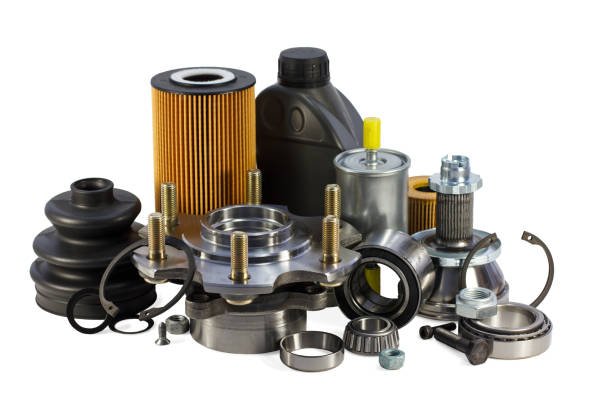
A bad hub bearing is one of the most critical yet often overlooked components of a vehicle’s wheel assembly. The hub bearing allows the wheels to rotate smoothly while supporting the vehicle’s weight. Failure in this component can affect driving performance, increase tire wear, and compromise safety.
Understanding how to identify, maintain, and replace a bad hub bearing is essential for all vehicle owners. This guide explores the symptoms, causes, maintenance tips, and repair options to help drivers prevent damage and ensure a safe driving experience.
Introduction To Hub Bearings And Their Importance
Hub bearings are a central part of a car’s wheel system. They sit between the wheel and the suspension, allowing the wheel to rotate freely while bearing the vehicle’s load.
When a hub bearing starts to fail, drivers may notice unusual noises, vibrations, or even difficulty in steering. Ignoring these signs can lead to catastrophic failures, including wheel detachment or severe suspension damage.
Modern vehicles often integrate hub bearings with ABS sensors, making it even more important to recognize early symptoms of a bad hub bearing.
Key Functions Of Hub Bearings
Hub bearings play several vital roles in vehicle operation:
-
Smooth Wheel Rotation: Reduces friction between the wheel and axle for efficient motion.
-
Load Support: Bears the weight of the vehicle, including passengers and cargo.
-
Alignment Assistance: Helps maintain wheel alignment and ensures even tire wear.
-
ABS Integration: Many hub bearings house wheel speed sensors for anti-lock braking systems.
-
Vibration Reduction: Minimizes road vibrations for a smoother ride.
Proper function of hub bearings ensures vehicle stability, safety, and comfort.
Early Signs And Symptoms Of A Bad Hub Bearing
Detecting a bad hub bearing early is critical to prevent accidents or expensive repairs. Common signs include:
-
Unusual Noise: Grinding, humming, or growling sounds from wheels.
-
Vibration: Steering wheel vibration or shuddering at specific speeds.
-
Tire Wear: Uneven or rapid tire wear, often on the inner edges.
-
ABS Warning Light: Illuminated ABS light may indicate hub bearing issues.
-
Vehicle Pulling: Car pulling to one side while driving or braking.
Paying attention to these symptoms can save significant repair costs and prevent further damage to the vehicle.
Causes Of Hub Bearing Failure
Hub bearings can fail for several reasons, often due to wear and environmental factors.
1. Natural Wear And Tear
Over time, the constant rotation and load gradually wear down the bearing components, especially in vehicles with high mileage.
2. Harsh Road Conditions
Frequent driving on potholes, rough terrain, or gravel roads accelerates bearing deterioration.
3. Contamination
Dirt, water, and debris entering the bearing can cause corrosion, rust, and increased friction.
4. Overloading
Exceeding the vehicle’s weight capacity puts additional stress on bearings, leading to early failure.
5. Improper Installation
Incorrect installation, including improper torque or misalignment, can significantly reduce bearing lifespan.
Understanding these causes helps vehicle owners take preventive measures to extend the life of hub bearings.
Impact On Vehicle Safety And Performance
Driving with a bad hub bearing can seriously compromise safety and vehicle performance:
-
Reduced Braking Efficiency: Uneven wheel rotation reduces braking effectiveness.
-
Steering Instability: Steering can feel loose or wobbly, especially at higher speeds.
-
Suspension Wear: Additional stress can damage suspension components.
-
Tire Damage: Uneven wear and tear on tires, reducing lifespan.
-
Wheel Detachment Risk: In extreme cases, a failed bearing can cause a wheel to detach.
Timely inspection and replacement are essential to maintain vehicle safety and avoid accidents.
Diagnosing A Bad Hub Bearing
Accurate diagnosis is the first step to repairing a bad hub bearing. Multiple methods are used by professionals and experienced vehicle owners:
Visual Inspection
Check for grease leakage, rust, or wear around the hub assembly.
Noise Detection
Grinding, growling, or humming noises often indicate bearing wear.
Professional Scan
Mechanics can perform advanced diagnostics using computerized systems for precise identification.
Early diagnosis prevents further damage and ensures safety on the road.
Replacement Options For A Bad Hub Bearing
Replacing a bad hub bearing is often the most reliable solution. There are several approaches depending on the vehicle type and the extent of damage:
-
Full Hub Assembly Replacement: Most common and reliable; replaces the bearing and hub as one unit.
-
Bearing-Only Replacement: Suitable for some vehicles; requires specialized tools.
-
Professional Installation: Recommended for precision, especially on modern vehicles with ABS integration.
-
Post-Replacement Maintenance: Lubrication and torque checks ensure longevity.
-
OEM vs. Aftermarket: OEM parts are often more durable and compatible, while aftermarket options may offer cost savings.
Timely replacement restores vehicle performance and ensures safety.
Step-By-Step Replacement Guidance
While professional service is advised, understanding the process is helpful:
-
Lift the vehicle and remove the wheel.
-
Remove the brake caliper and rotor to access the hub.
-
Unbolt the hub assembly carefully.
-
Inspect surrounding components for wear.
-
Install the new hub or bearing with correct torque specifications.
-
Reassemble brakes and wheels.
-
Test drive to ensure smooth operation and absence of noise.
Following these steps ensures safe installation and reliable performance.
Cost And Financial Considerations
Replacing a bad hub bearing can vary in cost depending on vehicle type and parts used:
-
Standard passenger cars: $150–$400 per wheel
-
SUVs and luxury vehicles: $300–$800 per wheel
-
Labor costs vary depending on complexity and shop rates
-
OEM parts may cost more but offer durability
-
Delaying replacement can increase costs due to secondary damage
Understanding cost factors helps owners plan and budget for repairs effectively.
Signs It’s Time To Visit A Mechanic
Certain warning signs indicate immediate professional attention is necessary:
-
Persistent grinding, growling, or clicking noises
-
Steering instability at higher speeds
-
Dashboard warning lights, especially ABS alerts
-
Uneven or excessive tire wear
-
Difficulty or abnormal behavior during braking
Prompt professional service ensures safety and avoids secondary damage.
Conclusion
Ag bad hub bearing is a critical automotive issue that can compromise safety, performance, and vehicle longevity. Recognizing early symptoms, understanding causes, and performing timely replacement are essential for safe driving.
Regular maintenance, careful driving, and professional inspections help prevent premature bearing failure. Whether it’s a minor noise or noticeable vibration, addressing issues early ensures smooth wheel rotation, improved braking, and reliable vehicle operation.
By being proactive, drivers can maintain safety, reduce repair costs, and extend the life of their vehicle’s wheel assemblies.
Frequently Asked Questions
1. What are the common symptoms of a bad hub bearing?
Symptoms include unusual wheel noise, steering vibrations, uneven tire wear, and ABS warning lights.
2. Can I drive with a bad hub bearing?
It is unsafe; driving with a failing bearing can cause steering instability, braking issues, and wheel detachment.
3. How long do hub bearings last?
Typically, 85,000–100,000 miles, depending on road conditions, driving habits, and maintenance.
4. What is the cost of replacing a hub bearing?
Costs range from $150 to $800 per wheel, depending on the vehicle, parts, and labor.
5. How can I prevent hub bearing failure?
Regular inspections, proper lubrication, avoiding overloading, and careful driving on rough roads help prevent failure.